
I’ll admit it: when I first read about a “transformational rural development initiative,” I had to Google it. (Spoiler: it’s not a yoga retreat or a self-help podcast. ) Turns out, it’s the latest trend reshaping Northern Michigan—where food, farming, and wine are fusing into something bigger than dinner.
From Farm Club to Gilchrist Farm Winery to Trattoria Stella’s bold leap into Shady Lane Cellars, the region is quickly becoming the Silicon Valley of “agri-experiences. ”
Farm Club: Onion Rings, Not Algorithms
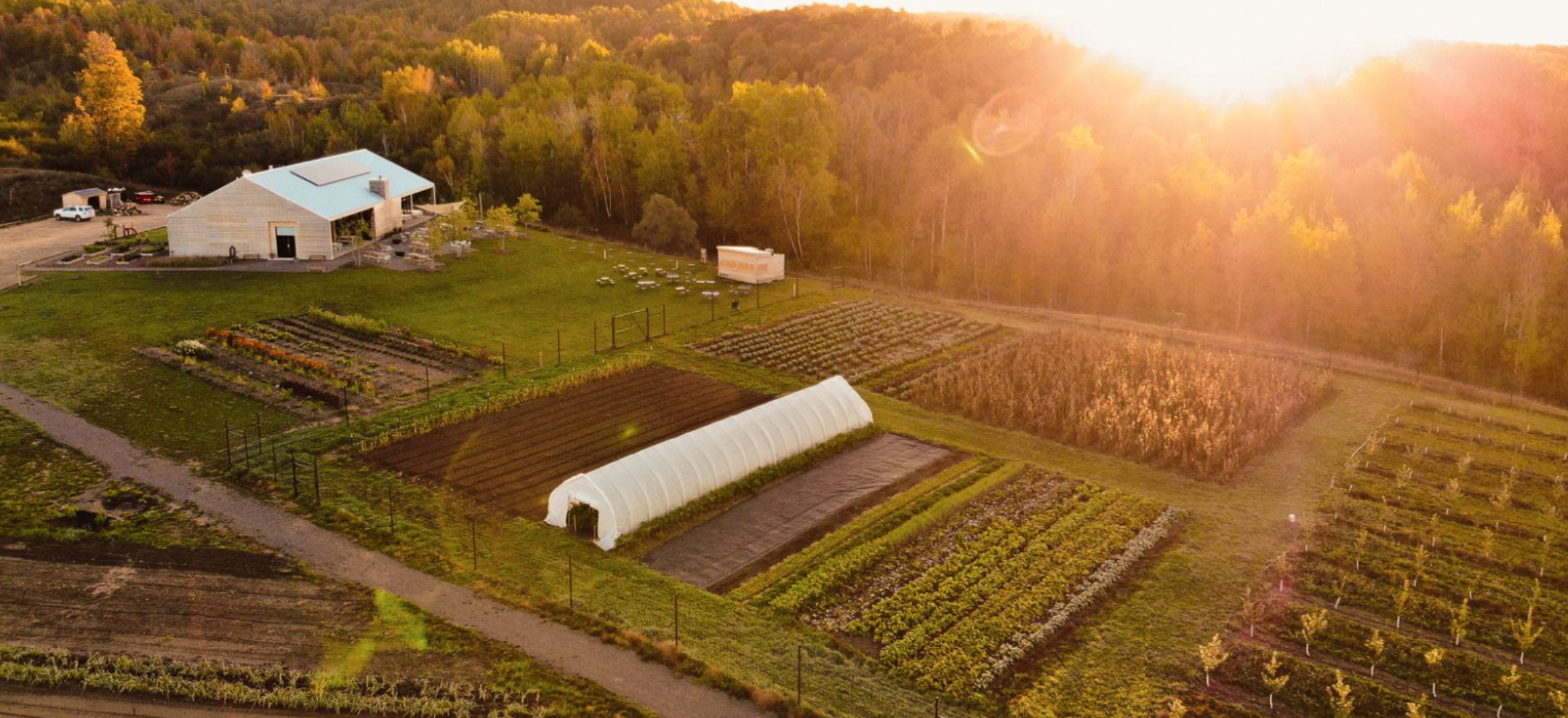
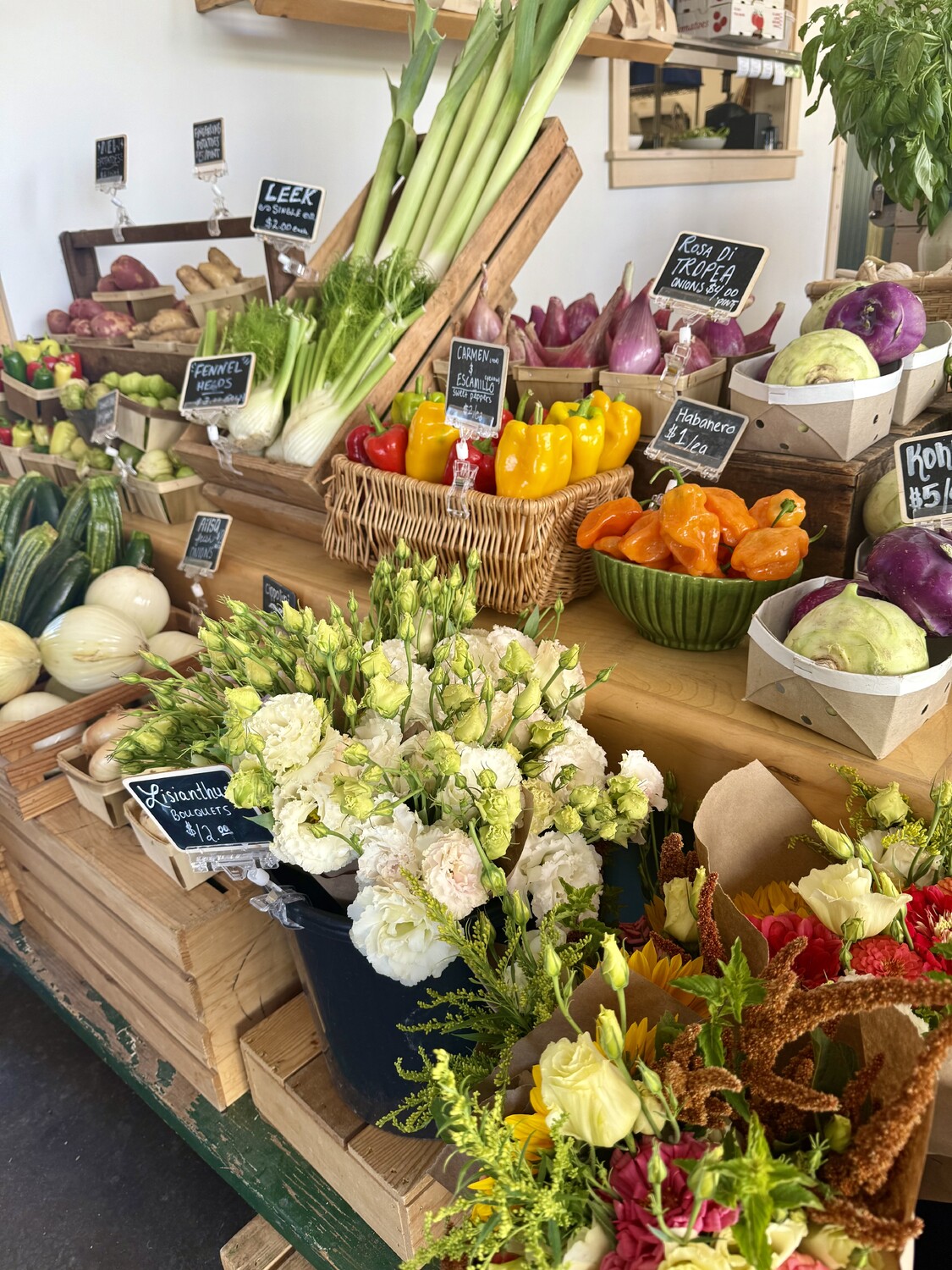
When I first saw the sign for Farm Club on the Leelanau Trail, I half-expected to find a new social media app. Instead, I found a barn-turned-brewery-market-restaurant-farm mashup where the star attraction is not microgreens or kombucha… but locally grown Ailsa Craig onion rings.
Co-owner Nic Theisen runs the place like Toyota runs a factory—seriously, he applies lean farming principles to reduce waste and maximize flavor. The result is a space where you can pedal up in bike shorts, grab a beer brewed on-site, eat a wood-fired pizza, and feel like you’ve stumbled into the friendliest dinner party in the county.
It’s not farm-to-table as a marketing gimmick. It’s farm-to-patio-to-pint glass.
Gilchrist Farm Winery: A Family Business With a Global Palate
A few miles north in Suttons Bay, Gilchrist Farm Winery has quietly become the region’s grown-up, wine-sipping cousin. Founded by Marc and Elizabeth Huntoon—two doctors who traded stethoscopes for soil—the winery blends regenerative agriculture with international grape varietals.
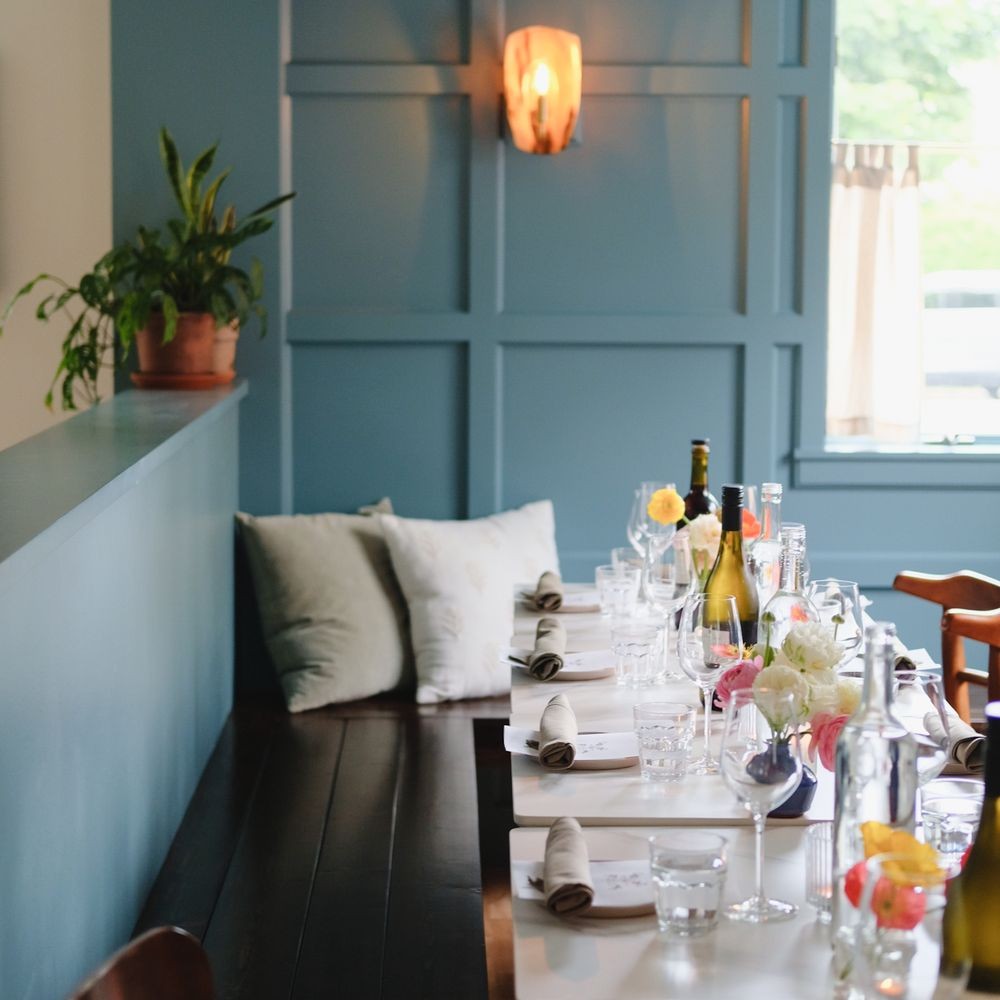
This isn’t just wine tasting; it’s a family story poured into every glass. The Huntoons’ kids are part of the team, the farmhouse-style tasting room is as cozy as your grandma’s kitchen, and the vibe is refreshingly unpretentious.
Join their wine club and you don’t just get quarterly bottles—you get seasonal goodies, early access to limited releases, and even birthday bubbly. It’s hospitality with a heartbeat.
Stella Buys a Winery: The Power of Fancy Phrases
And then, just when you thought the region couldn’t get more interesting, Amanda Danielson of Trattoria Stella bought Shady Lane Cellars. Not just to make wine—no, she’s launching what’s being billed as a “transformational rural development initiative. ” (Yes, I had to read that three times too. )
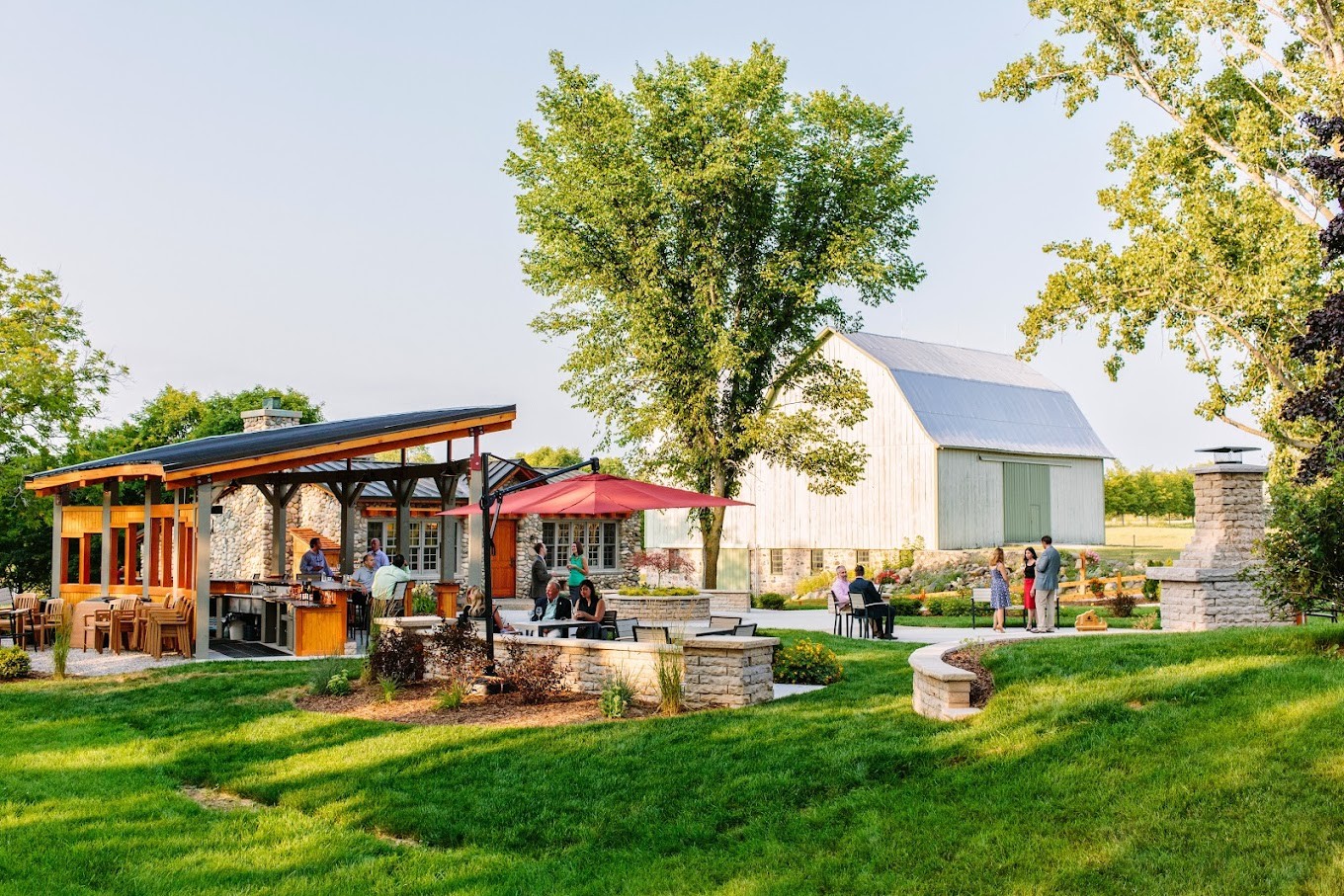
Translation? A $10 million, four-year reinvention of more than 100 acres into something part winery, part classroom, part community hub. Picture a restored barn for tastings, a commercial kitchen where chefs and farmers collaborate, and programs like Dirt to Glass, a winegrower’s conference that ties soil science to sipping.
It’s not just about selling bottles; it’s about creating a playbook for the future of rural hospitality—with Northern Michigan as the test kitchen.
Shady Lane Cellars
What It All Means
Here’s the through-line across Farm Club, Gilchrist, and now Loamstead:
- They’re betting on community as the new currency. Food and wine aren’t just consumables; they’re connection points.
- They’re proving that heritage and modernity can co-exist. You can honor the land and still innovate with new models.
- They’re showing that the future of dining and drinking might not be in city skyscrapers—but in restored barns, cherry orchards, and wineries that double as classrooms.
The Last Sip
Northern Michigan isn’t just quietly trending—it’s rewriting the rulebook.
What started with Farm Club’s farm-to-pint revolution, was deepened by Gilchrist’s regenerative vineyards, and is now being amplified by Stella’s audacious winery takeover, is nothing less than a movement.
So next time you hear “transformational rural development initiative,” don’t roll your eyes—just picture sipping a glass of Pinot Noir while a chef teaches you how to pickle asparagus in a 100-year-old barn overlooking the vines.
Because up north, the future of food and wine might just be hiding behind a farm sign you almost biked past.