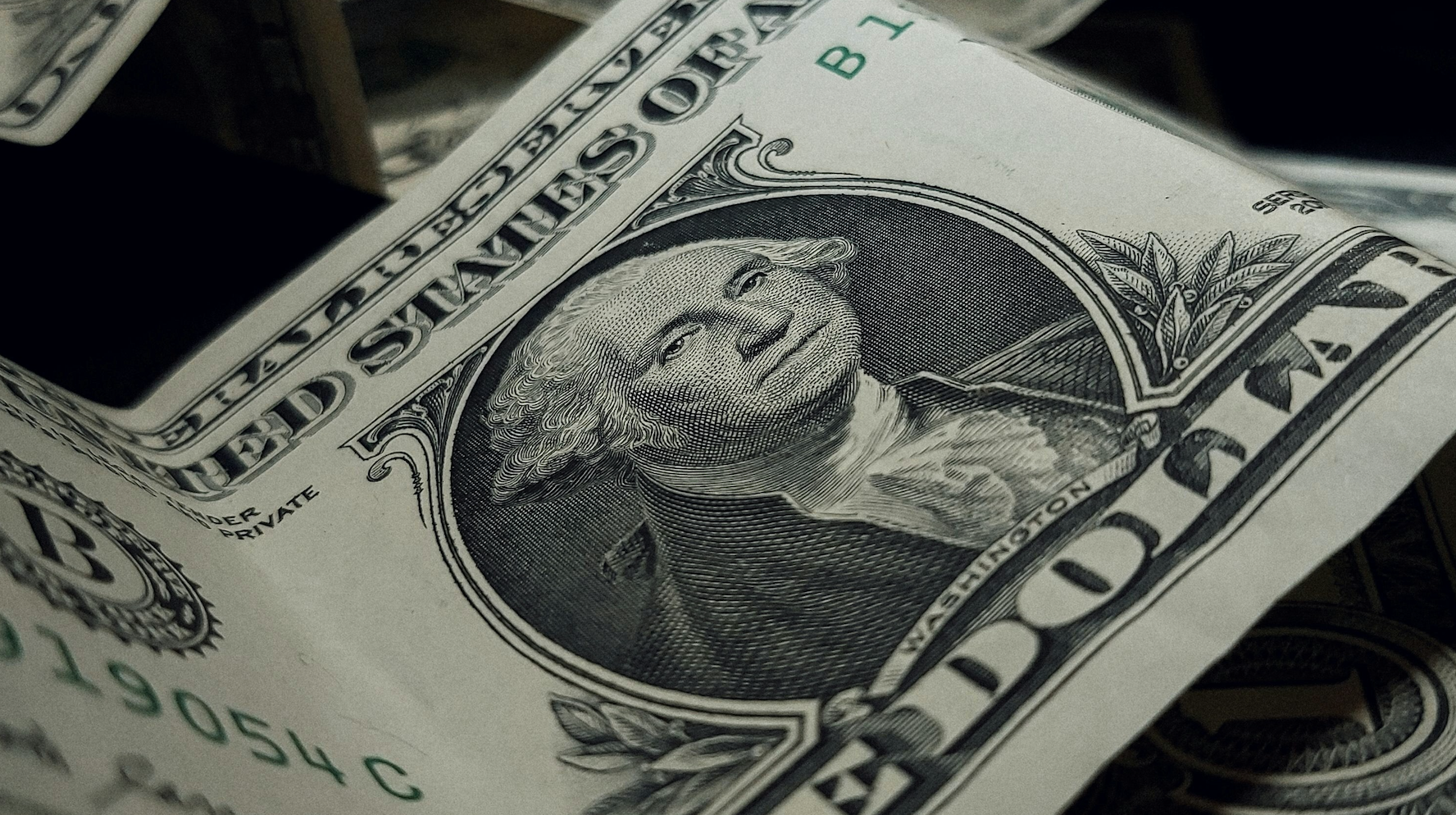

The dollar has always functioned as both a currency and a political signal. Recent market moves suggest that signal is changing.
Donald Trump, US president since January 2025, publicly welcoming a falling dollar represents a sharp break from decades of US currency orthodoxy. Previous administrations defended dollar stability as a pillar of global finance, even when policy choices complicated that stance. In FX markets, rhetoric signals priorities, and priorities shape capital flows.
The reaction has been immediate. The dollar has dropped to multi-year lows, gold has pushed beyond $5,200 per ounce, and most major currencies have strengthened.
It seems that investors are interpreting a shift in political emphasis and adjusting allocations accordingly.
A weaker dollar offers clear advantages for the US political economy. Exporters benefit, multinational earnings rise on translation effects, and the real burden of sovereign debt declines.
These incentives explain tolerance for depreciation. The costs land on foreign investors holding US assets and on domestic consumers facing higher import prices. Over time, these trade-offs influence perceptions of the dollar as a store of value.
Currency markets price intent long before policy changes are formalized. Verbal guidance can move capital as effectively as intervention. Investors increasingly assume dollar stability sits lower on the political agenda. One consequence is a widening divergence between US risk assets and the currency, a pattern that reshapes global capital allocation.
The euro’s recent strength reflects this reassessment. Europe offers policy continuity at a time when sovereign signaling elsewhere appears volatile. The yen’s rally, alongside speculation around coordinated FX action, suggests currency hierarchies are shifting in incremental ways rather than dramatic ruptures.
Gold’s surge offers another lens. Precious metals traditionally hedge inflation and geopolitical risk, yet the current move looks increasingly like a hedge against policy uncertainty at the sovereign level. Record highs signal a premium on institutional predictability.
Dollar dominance rests on behavior as much as economics: trade invoicing, reserve allocation, portfolio hedging, benchmark construction. These systems evolve slowly, then compound. As decision-makers begin designing frameworks around multiple anchors, dependence on a single currency weakens.
The ‘sell America’ narrative oversimplifies the picture. Capital continues flowing into US companies and private markets. What appears to be shifting is the treatment of currency exposure. Investors are separating corporate dynamism from sovereign guidance.
A more multipolar currency framework is emerging. The dollar remains dominant, yet its exclusivity is less assured. The euro, the yen, and precious metals are gaining relevance as parallel reference points in global portfolios.
Currency regimes rarely collapse in a single moment. They shift through accumulated portfolio decisions, reserve adjustments, invoicing practices, and benchmark changes. Over time, those decisions reshape the system.
The politicization of currency policy marks an inflection point in that process. Investors are no longer treating dollar stability as an immutable constant. Gold, the euro, and the yen increasingly function as hedges against sovereign signaling risk.
The dollar will not lose reserve status in a dramatic rupture. Its centrality will erode through incremental market choices that quietly reduce reliance. Those choices are already visible in price action and capital flows.
Markets are constructing an architecture for a world where the dollar remains powerful but no longer singular. The anti-dollar trade is no longer theoretical, it’s becoming an allocation reality.